About the birds and the bees
Biodiversity and climate adaptation
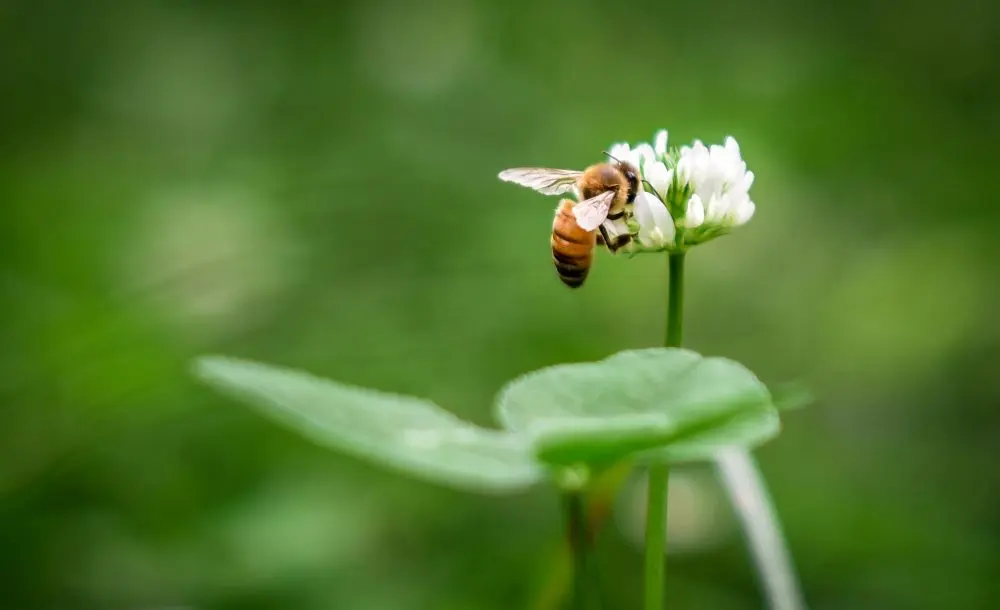
Nature, biodiversity, the climate, and the health of the human race are inextricably linked. The many species on planet Earth keep nature in balance. Biodiversity is the variety of life in a particular area. It includes all species of plants, animals and micro-organisms, as well as the genetic variations of those species and the diverse ecosystems of which they are part. These ecosystems ensure that humans can live on our earth.
All over the world, including in Europe and the Netherlands, a sharp decrease can be seen in the biodiversity. This development is enhanced by climate change. The
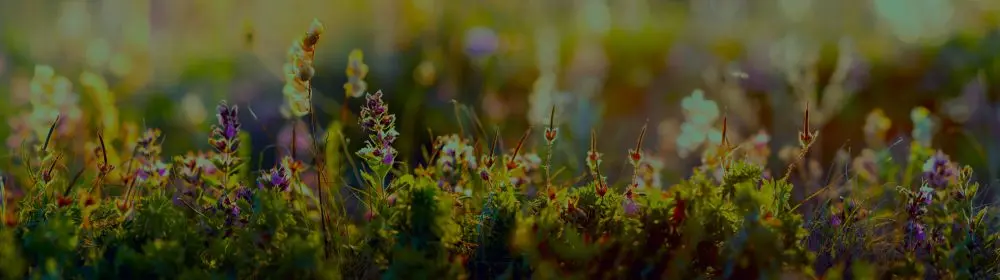
KPN is dedicated to improving biodiversity. We are doing this on and around dozens of our buildings and sites by creating green roofs, sowing flowering meadows and hanging nest boxes with wildlife sensors. Do something yourself? Take part in the National Bee Census and find out how biodiverse your own environment is by counting the wild bees in your garden, balcony or other green spot in the neighborhood. Our infrastructure, which covers all corners of the country, offers great opportunities for this. Many measures that improve biodiversity also help in climate adaptation. After all, because of climate change we need to adapt our environment. For example, the present-day heavy rainstorms cause floods, built environments capture too much heat, and heatwaves make vegetation dry out. It is essential that we take steps now to stop things getting worse in the future.
Green roofs offer many benefits:
they last longer, save more energy, fit better into the environment and stimulate biodiversity.
In an increasing number of places in our network we are planting green roofs on our local exchanges, such as in Arnhem. The new roof is composed of a recycled bitumen layer covered with sedum. These succulents form an insulating layer and give protection against sun, rain and big temperature differences. Green roofs offer many benefits: they last longer, save more energy, fit better into the environment and stimulate biodiversity. The sedum attracts numerous insects such as bees and bumblebees, which then ensure that plants are cross-pollinated. In turn, a diversity of plants attracts more birds, butterflies and other insects.
Climate data has shown us that the local exchange in Arnhem is located on an urban heat island. That means that the temperature gets relatively high and there is a greater risk of flooding. A green roof is an excellent form of climate adaptation. This is because the sedum retains rainwater for a longer period, thereby lowering the ambient temperature and reducing the chance of flooding. The heat of the sun is absorbed and not reflected. Even in the exchange the temperature in hot weather is up to five degrees lower than with an ordinary roof. Less cooling is needed in the summer, so less energy is consumed. We are keeping a close eye on the effect on the temperature and the energy consumption in the exchange.
The green roof is in line with KPN’s ambition and plans to develop a
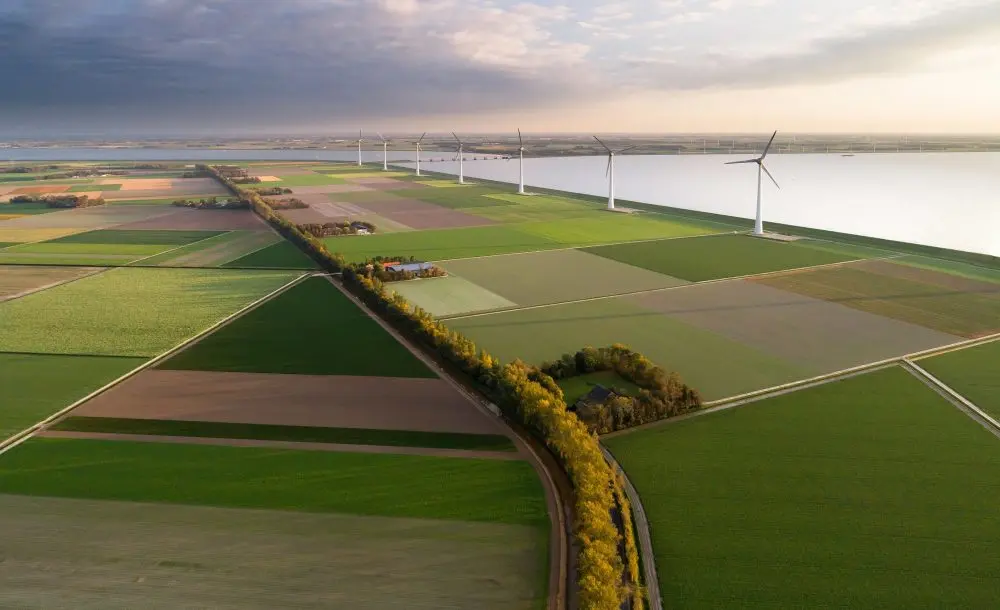
Green infrastructure
Groene Netten
KPN is a member of
Monitoring protected wildlife species
Wildlife sensor
The wildlife sensor is a service, newly developed by Arcadis and KPN, that – for the first time in the Netherlands – enables protected wildlife species to be monitored via
Thanks to the smart sensor, a lot of the monitoring and inspections by ecologists in the field can be carried out remotely. The ability to take measurements 24/7 means that a wealth of data can be captured. This data can be used to improve design or for the correct orientation of the boxes. And populations can be examined on a large scale.
Nature Protection Act
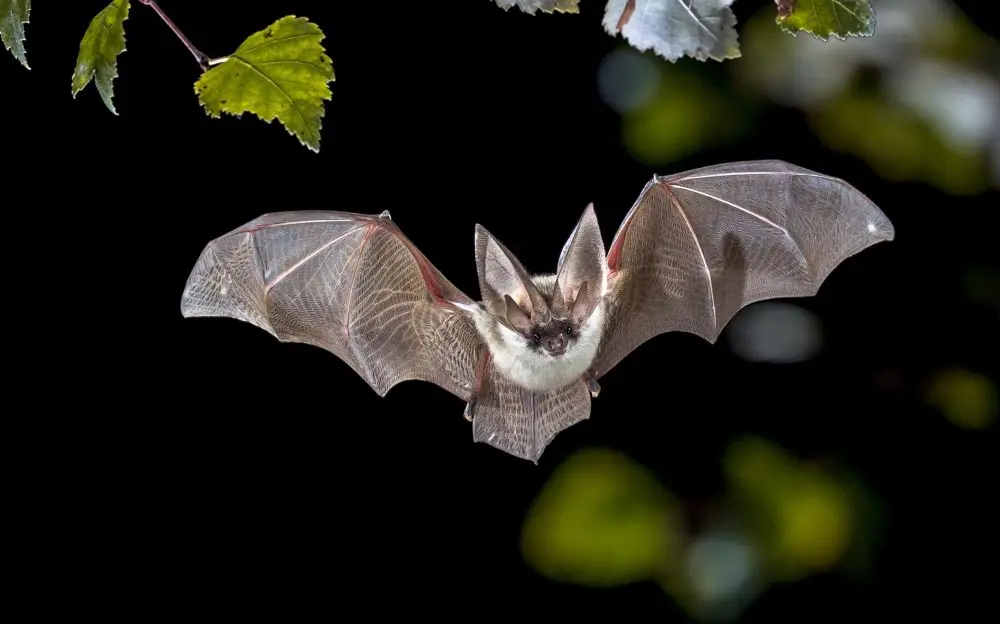
Nature and sustainability sometimes get in each other’s way. Due to the energy transition, approximately 1.5 million rental homes must be renovated by 2030. That is possible only on one condition: protected animal species such as bats, common swifts and house sparrows must be given somewhere to live after the renovation or rebuilding. Construction companies must demonstrate that these abodes are actually being used and the province will enforce this.
The main benefit of working with the wildlife sensor is the statutory monitoring obligation. The Nature Conservation Act requires that measures must be taken before the start of such a renovation to protect the established animal species. And so ecologists spend years in the field inspecting whether the measures also have an effect.
Many housing and renovation projects are now being delayed because the habitat of protected animal species has not been properly safeguarded. This innovation with a smart sensor makes it possible to accelerate construction and renovation plans.